Overview: Why an Organic Protector Matters
In an era of heightened attention to sustainability, materials transparency, and sleep hygiene, an organic mattress protector is more than a barrier against spills. It is a gateway to a healthier sleep environment. Naturepedic’s approach—combining organic cotton, water-impermeable layers, and a chemistry-free construction—embodies a philosophy that prioritizes both environmental responsibility and everyday practicality. A protector that is truly organic serves multiple roles: it guards the mattress, reduces exposure to chemical finishes, and preserves the surface texture of the bed so that the sleep experience remains unaltered by protection wear.
Key technologies, like DrySleep, illustrate how modern protectors reconcile waterproof performance with breathability. The goal is to prevent moisture buildup that can foster mold or odors, while allowing moisture vapor to escape, so the surface stays comfortable and dry. The balance between protection and comfort is subtle but essential—an engineered equilibrium that lets you rest without distraction.
Materials and Construction: What to Expect
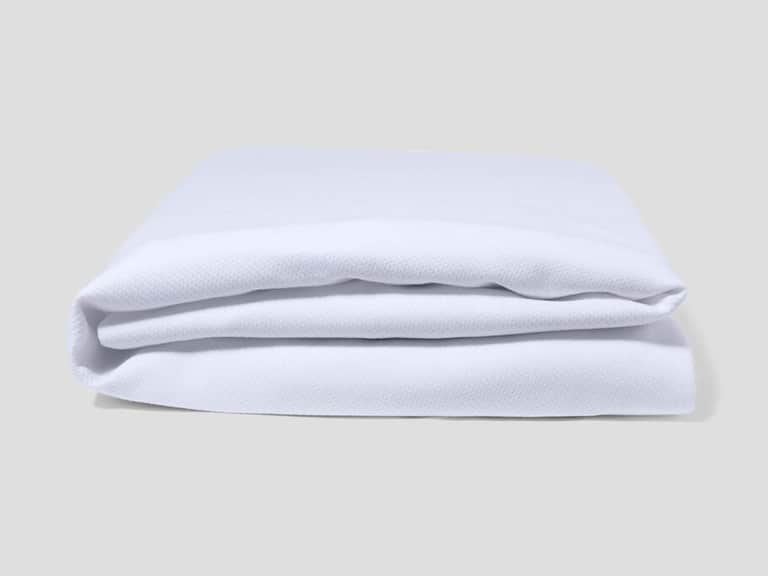
Organic mattress protectors begin with a fabric that feels familiar to the touch—organic cotton, often certified by GOTS—providing the skin-friendly, breathable foundation. The protective layer is typically a waterproof, yet non-irritating membrane sealed within fabric channels to prevent crinkling and noise. Naturepedic's protectors exemplify this design principle: a barrier that keeps liquids at bay while remaining quiet and comfortable enough for nightly use.
The emphasis on chemical-free construction is not merely a lifestyle choice; it is a public-health consideration. Many conventional protectors rely on vinyl or PVC-based barriers with additives that some sleepers may prefer to avoid. An organic protector rewrites that default, replacing vinyl with safer, more transparent materials that still perform under pressure and time. The result is a product that aligns with broader ecological goals and the intimate, daily rituals of family life.
Fit Across Mattress Depths: 9" to 16" and Beyond
Mattress depth matters, not just to secure coverage but to preserve the bed’s overall feel. A good protector stays taut, hugs the corners, and does not shift during sleep. Naturepedic’s protectors are designed with a spectrum of depths in mind—from compact 9-inch foundations to plush 16-inch duets. This breadth ensures compatibility with a wide range of mattresses, including specialty builds and adjustable bases. When choosing a protector, assess both the depth compatibility and the securing mechanism: does it pocket around corners, feature elasticized edges, or utilize fitted corners that grip like a sheet? The best-fit option minimizes movement, reduces noise, and maintains the mattress’s intended feel.
Care and Longevity: Cleaning, Stains, and Lifecycle
Organic protectors reward careful maintenance. The machine-washable design—when specified by the maker—offers a straightforward path to hygiene. For stain treatment, a gentle, non-bleaching approach is advised to protect the organic fibers and the waterproof layer. Drying should be performed per care labels, with attention to avoiding high heat that could shrink fabrics or degrade membranes over repeated cycles. Extending the protector’s life means replacing it when signs of wear appear—fraying edges, thinning waterproof layers, or persistent staining that resists cleaning. A protector isn’t merely a disposable accessory; it’s a long-term investment in sleep health and mattress longevity.
Case Studies: Real-World Scenarios
To illuminate how these protectors perform in varied contexts, consider three illustrative profiles from different eras and lifestyles, each highlighting the enduring value of organic protection.
-
20th-Century Standard-Bearer: The Family Home
In an era when synthetic barriers dominated, households with young children sought safer, cleaner sleep environments. An organic protector offered reassurance beyond spill protection: fewer chemical exposures, a more comfortable night’s rest, and a simpler laundering routine. The performance was measured not only in dry sheets but in a diminishing concern about off-gassing or harsh odors, creating a healthier bedtime ritual for generations of families.
-
Late 20th to Early 21st Century: The Eco-Conscious Consumer
As awareness of sustainability grew, consumers looked for products that aligned with environmental values. Organic protectors became a practical emblem of this shift: organic cotton, non-toxic membranes, and transparent supply chains. In households prioritizing green living, these protectors were not decorative additions but essential components of a broader commitment to wellness and planet-friendly practices.
-
Contemporary Era: Modern Family, Modern Materials
Today’s shoppers balance performance with lifestyle complexity. The modern protector must handle daily spills, nighttime sweating, and the unpredictability of life with kids and pets—all while staying quiet, breathable, and easy to clean. Naturepedic’s approach, with DrySleep and other organic membranes, demonstrates how technology and responsibility can converge in a single bedding layer, delivering a product that supports both comfort and hygiene.
Expert Insights: Voices from Across Time
The debate over materials, moisture, and the right kind of cover has always involved voices from different periods. Here are three key figures whose perspectives shed light on the enduring importance of robust, hygienic bedding protection.
Hypatia of Alexandria (c. 350–415 AD)
Though best known for philosophy and mathematics, Hypatia’s era valued careful observation of daily life. A protector’s role in maintaining a clean, quiet sleeping surface would resonate with her belief in disciplined inquiry—understanding how small choices affect overall wellbeing, from the quality of air to the integrity of the space where one rests.
Florence Nightingale (1820–1910)
A pioneer of hygienic practice, Nightingale’s advocacy for cleanliness translates directly to modern mattress protection. An organic protector embodies a practical extension of hospital-grade hygiene into the home, reducing exposure to irritants while supporting restorative sleep—an outcome she would undoubtedly applaud.
Marva Collins (1936–2010)
As an educator who stressed dignity and routine, Collins would appreciate the protector as a daily habit that underpins consistent sleep quality. It’s not about grand gestures but reliable, repeatable care—clean lines, steady routines, and a bed kept hospitable for learning and growth each day.