Bedding · Infant sleep environment
Organic Crib Bedding: Materials, Fit, and Everyday Care
A crib’s bedding is a small part of a baby’s room, but it carries an outsized responsibility: it must fit correctly, be cared for routinely, and never interfere with a safe sleep surface. Organic cotton can appeal to families seeking specific materials. The essentials, however, remain practical—follow current safe-sleep guidance, check labels, and choose pieces designed for the exact mattress.
Shopping for organic crib bedding can sound like a simple exercise in choosing a fabric. It is not. Labels can describe a fiber, a finished product, or a production standard; a pad may add comfort or help shield a mattress from spills; and a beautifully made item is useful only if it fits the crib properly and can be laundered as directed. For caregivers, the task is to weigh all of those details without losing sight of the most important one: a baby’s sleep space should be set up according to current safe-sleep recommendations.
That makes the best approach less about building a lavish nursery and more about selecting a few well-matched essentials. A firm, flat mattress and a tightly fitted crib sheet are the starting point. Any additional bedding needs careful scrutiny. Organic materials may matter to a family’s preferences, but the word “organic” does not by itself establish that a product is appropriate for infant sleep, fits a particular crib, or meets every safety requirement. Those questions require close attention to the product’s construction, instructions, and intended use.
Start with the sleep surface, not the label
For an infant’s sleep space, safety guidance should lead the shopping decision. The American Academy of Pediatrics recommends placing babies on their backs for every sleep on a firm, flat, non-inclined surface designed for infant sleep, with only a fitted sheet. Soft objects and loose bedding—including blankets, pillows, quilts, comforters, and other unapproved items—should be kept out of the sleep area. Caregivers should consult the latest recommendations from authoritative health and safety organizations, as guidance and product standards can change.
This context matters when considering crib pads and mattress protectors. A product can be made from organic cotton and still be unsuitable if it changes the sleep surface, does not fit securely, or is not specifically intended for use with the crib mattress. Before adding a layer, check the crib and mattress instructions and confirm that the product is approved for that use. If a manufacturer or health professional advises against an additional layer, follow that direction. Do not use an accessory simply because it is marketed as breathable, natural, quilted, or protective.
There is also a difference between bedding that touches the baby and products used to protect the mattress beneath a fitted sheet. A pad may be promoted as a way to manage spills or help preserve the mattress, but it is not a substitute for a fitted sheet and should never be allowed to bunch, curl, or create a soft or uneven surface. When in doubt, leave it out and ask the crib or mattress manufacturer, pediatrician, or another qualified professional for guidance.
What “organic” can—and cannot—tell you
In bedding, “organic” generally refers to agricultural production or the content and processing of fibers, depending on the claim and certification. It is not a single, universal promise about a finished item. A product label may identify organic cotton in the cover, in the fill, or throughout multiple components. It may also refer to a certified supply chain. Reading the full description helps establish exactly what is being represented.
Certifications can make claims easier to evaluate, but they are not interchangeable. A standard may focus on the source of the fiber; another may address processing stages or restrictions on certain substances. Look for the certifier’s name, the scope of the certification, and the product or component it applies to. If the packaging uses a certification logo without explaining what is certified, consult the organization’s own information rather than assuming that the entire item has the same status.
Organic cotton is a plant-based fiber commonly used in crib sheets and mattress pads. Depending on how it is woven and finished, it can feel crisp, smooth, or soft. Yet “organic” does not automatically mean hypoallergenic, chemical-free, cooler, or safer for every child. Nor does a natural fiber eliminate the need to wash an item before use, follow the care label, or keep the sleep surface clear. A credible product description should help answer practical questions: What is the material? Which parts are certified? How does it fit? How should it be washed?
Cotton, construction, and comfort
Two crib products made from cotton can behave quite differently. Percale, jersey, sateen, and other fabric constructions have distinct textures and levels of stretch. A knit jersey sheet may flex around a mattress; a woven percale cover may feel crisp and stable. Thread count alone is not a complete measure of quality, comfort, or suitability. The weave, fabric weight, seams, elastic, and overall workmanship all affect how a sheet performs in daily use.
For caregivers comparing crib bedding materials, it can help to think in terms of the whole item rather than one appealing feature. A soft surface is pleasant, but secure fit and clear care instructions matter more. Quilting or padding may add loft, which is precisely why any added layer deserves extra scrutiny in an infant sleep space. Choose only products intended for the stated use, and follow the mattress and crib makers’ instructions about compatible accessories.
Color and finish can matter, too. Strong dyes, decorative trims, embroidery, ties, and embellishments may complicate washing or create loose components over time. A simple, well-made fitted sheet is easier to inspect and maintain. For any product, discontinue use if seams split, elastic loosens, fabric tears, or the item no longer fits as intended.
Fit is a safety and maintenance question
A fitted sheet should match the crib mattress dimensions and remain taut when installed. A sheet that is too large can loosen; one that is too small may strain at the corners or fail to stay in place. Check the mattress measurements, the sheet’s stated dimensions, and any depth or thickness limits. The name of a crib size alone may not settle the question: verify the exact mattress and product specifications.
Fit is especially important when a mattress pad or protector is being considered. If one is permitted by the mattress or crib manufacturer, confirm that it is made for the correct mattress dimensions and that it does not interfere with the fitted sheet. After making the bed, inspect all four corners and the full surface. The sheet should lie flat, without folds, loose fabric, or bunching. Recheck it whenever the bedding is changed or the mattress is adjusted.
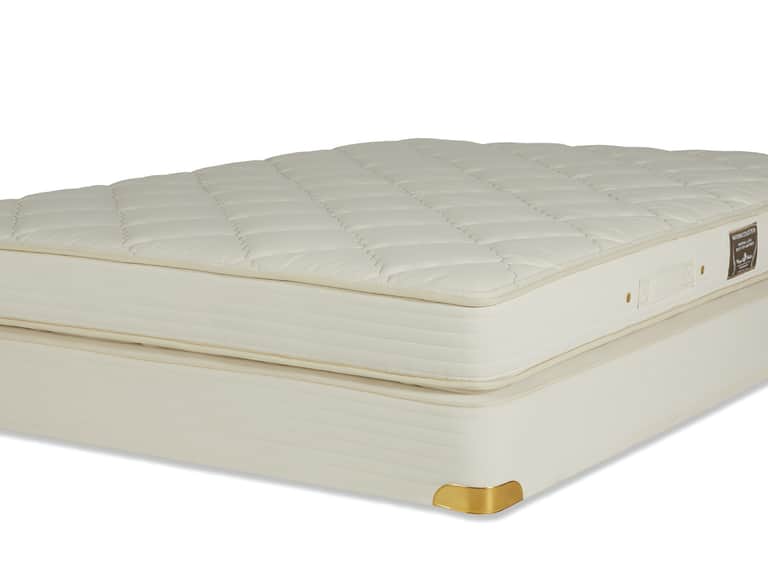
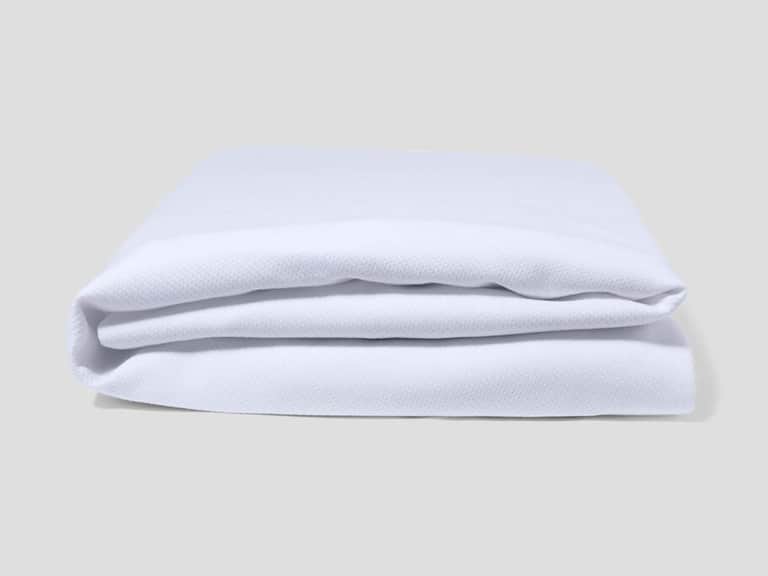
Crib mattress pads vary in materials and construction. Some use cotton batting and a cotton cover; others include a waterproof barrier. That difference affects washing, drying, and how the product feels. A particular organic cotton crib pad, for example, is described as having cotton inside and out, a percale covering, quilted construction, and machine-washable care instructions. Those details can help a caregiver understand what the item is made of, but they do not replace the need to verify compatibility with the crib mattress and current infant sleep guidance. Review the product information and the crib and mattress manuals before use.
Measure rather than guess. Record the mattress length, width, and depth, then compare them with the bedding specifications. If the manufacturer does not clearly state the intended fit, contact the seller or manufacturer before purchasing. A bargain that does not fit securely is no bargain at all.
A washing routine that works in real life
Infant bedding needs regular laundering. Spit-up, milk, drool, diaper leaks, and ordinary household dust can all make a clean sheet necessary. A small rotation of fitted sheets can make changes easier, but each item still needs care that matches its label. Washing too aggressively or drying at excessive heat may shrink fabric, weaken elastic, or damage a waterproof layer.
Before the first use, check the instructions and wash the item if the manufacturer recommends it. For routine laundering, separate items as directed, use the specified water temperature and cycle, and avoid bleach or fabric softener unless the care label allows them. Residues from detergents or additives can irritate some skin, but no particular detergent can guarantee that irritation will not occur. If a child develops a persistent rash or other concerning symptom, consult a health professional rather than relying on a bedding change alone.
Dry bedding completely before putting it back on the mattress. Damp fabric left in a pile or placed on a mattress can encourage musty odors and unwanted moisture. If a fitted sheet shrinks, loses elasticity, or becomes difficult to secure, replace it. The aim is not to preserve every item indefinitely; it is to keep the sleep surface clean, intact, and correctly fitted.
For a spill, remove the sheet promptly and follow the mattress maker’s cleaning instructions. Avoid soaking a mattress or applying harsh cleaners unless the manufacturer specifically permits them. Moisture trapped inside a mattress can be difficult to remove, and unnecessary liquid may damage its materials. Let cleaned components dry thoroughly before rebuilding the sleep space. If a product has a removable cover or a waterproof layer, follow its own instructions rather than assuming it can be treated like ordinary cotton fabric.
How to evaluate a product page
Product descriptions often emphasize appealing words—organic, breathable, natural, waterproof, or hypoallergenic. Those terms can be useful, but caregivers need concrete details behind them. Before buying, look for answers to questions such as these:
- What materials are used in the cover, fill, backing, elastic, and any barrier?
- Does an independent certification apply, and which components or stages does it cover?
- What mattress dimensions and depth does the item fit?
- Is the product intended for a crib, and do the crib and mattress instructions allow it?
- What are the washing and drying instructions, including restrictions on bleach or heat?
- Does the product description explain how the item is installed and what condition requires replacement?
Answers should be specific enough to compare. “Fits most cribs” is less useful than a stated size range. “Easy care” is less useful than a clear washing temperature and drying method. If the details are missing, request them before purchasing. A seller’s description can provide helpful information, but the manufacturer’s instructions remain essential for questions of compatibility and care.
A calm, practical checklist
When preparing a crib, the sequence can stay simple. First, confirm that the crib and mattress are appropriate for infant use and assembled according to their manuals. Next, check that the mattress sits securely in the crib and that a fitted sheet matches its dimensions. Keep the sleep area free of loose bedding and soft objects. Add no pad or protector unless it is permitted by the relevant manufacturers and consistent with current safe-sleep advice.
Then establish a care routine: wash bedding according to its label, keep a clean replacement available, and inspect elastic, seams, and fabric for wear. Attend to spills promptly, avoid saturating the mattress, and allow washed items to dry fully. These are modest habits, not elaborate rituals. Their value is that they make a clean, properly fitted sleep space easier to maintain when daily life is busy.
Families choosing organic crib bedding may have thoughtful reasons: a preference for a particular fiber, interest in supply-chain standards, or a desire to avoid certain finishes. The best decision comes from separating those preferences from claims about safety that a label cannot establish on its own. Certification can clarify material sourcing and processing; it does not replace fit checks, laundering, manufacturer instructions, or safe-sleep guidance.
The bottom line
Organic crib bedding is not a single category with one construction or one standard. It ranges from fitted cotton sheets to quilted pads and protective layers, each with its own materials, dimensions, and care requirements. The strongest choice is the one whose details are transparent, whose fit is precise, and whose use is appropriate for the crib and mattress.
Comfort and cleanliness matter, but they sit within a larger framework. Begin with a firm, flat infant sleep surface and a correctly fitted sheet. Treat added layers cautiously, consult product instructions, and keep the sleep space clear in line with current guidance. Choose materials with care, wash them as directed, and replace anything that no longer fits or holds together. In a nursery, the most reassuring setup is often the least complicated one.